Allied Organizations & Resources
The Palouse Prairie
-
Biodiversity & Land Use History of the Palouse Bioregion: Pre-EuropeanEuropean to Present.
A.E. Black, J.M. Scott, E. Strand, RG Wright, P. Morgan, C. Watson. Biodiversity and Land-use History of the Palouse Bioregion: Pre-European to Present; 2000, from USGS Land Use History of North America. 22 pages. Available online or download below.
-
Wetlands of the Palouse Prairie: Historical Extent and Plant Composition.
Servheen, Gregg; Penelope Morgan; Bertie Weddell; Paul Gessler; Paul McDaniel. Wetlands of the Palouse Prairie: Historical Extent and Plant Composition. 2002. U.S. Environmental Protection Agency, Idaho Operations Office, Boise, ID.
-
Historical vegetation of seasonally moist depressions in the South Fork of the Palouse River Watershed
Weddell, B. J. Historical vegetation of seasonally moist depressions in the South Fork of the Palouse River Watershed. 2002. Appendix 5 in G. Servheen, P. Morgan, B. Weddell, P. Gessler, and P. McDaniel. Wetlands of the Palouse Prairie: Historical Extent and Plant Composition. Unpublished report funded by the USDI Environmental Protection Agency.
-
Changing Perspectives in Nineteenth Century Written Descriptions of Palouse and Canyon Grasslands
Weddell, Bertie J. Changing Perspectives in Nineteenth Century Written Descriptions of Palouse and Canyon Grasslands. 2001. Tech. Bull. 01-13. U.S. Bureau of Land Management.
-
Characteristics and Distribution of Palouse Prairie Remnants: Implications for Conservation Planning
Chris Looney and Sanford D. Eigenbrode, Characteristics and Distribution of Palouse Prairie Remnants: Implications for Conservation Planning, Natural Areas Journal 32(1), 75-85, (1 January 2012)
-
Palouse Prairie: a Vanishing indigenous Peoples Garden
C. Davis. Palouse Prairie: a Vanishing indigenous Peoples Garden, 2019, Journal of Native Sciences. Vol. 1, No. 1 (February 2019), pp. 1-17.
See the Palouse Prairie
-
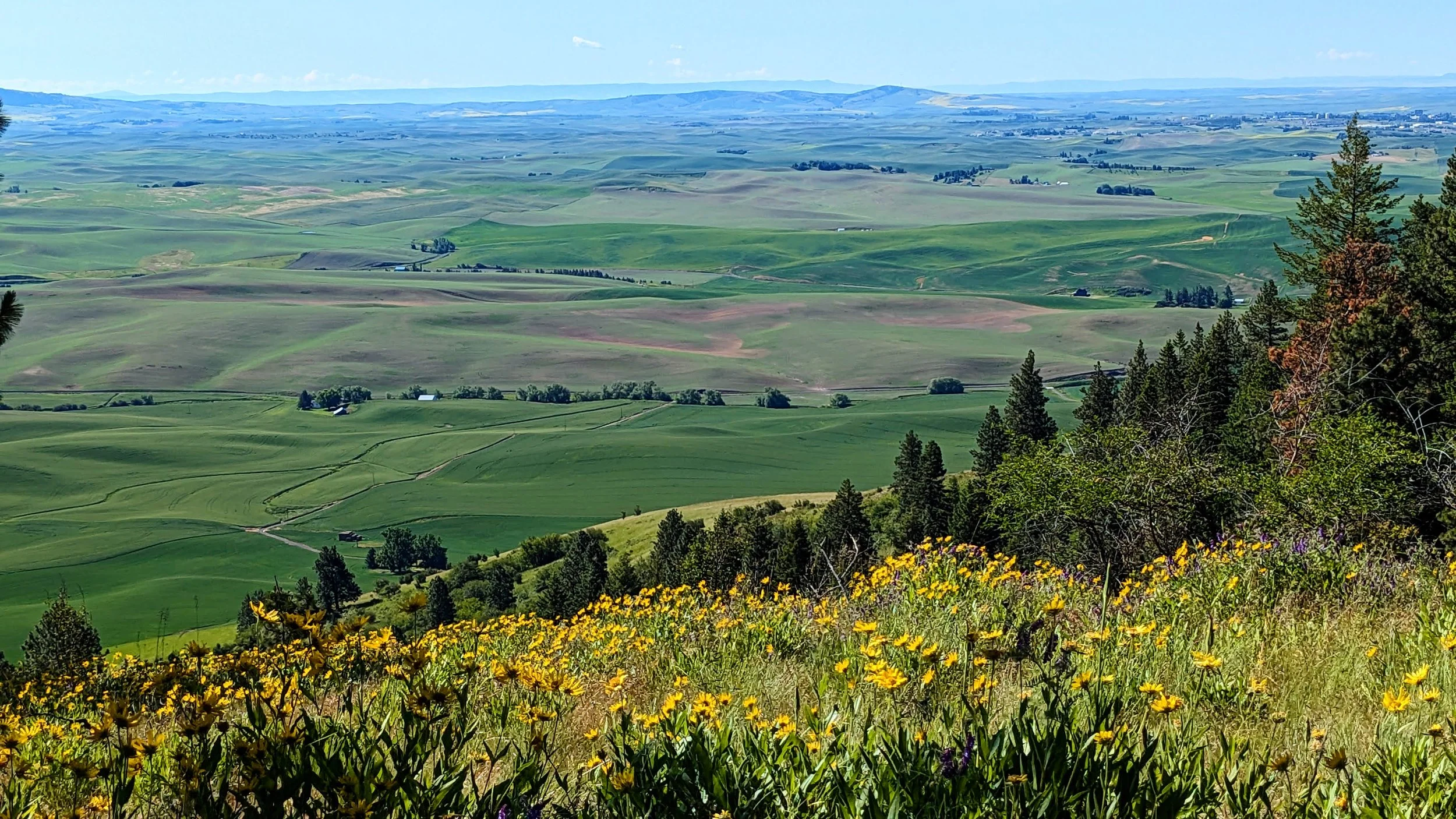
Kamiak Butte
-
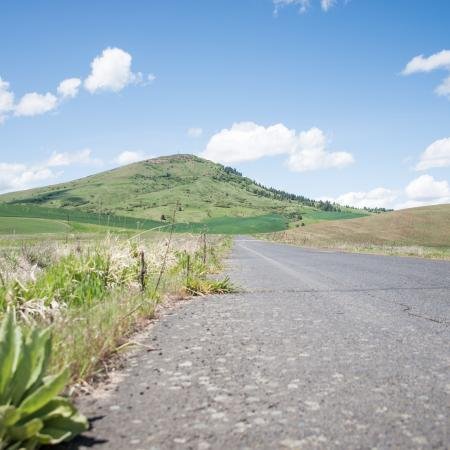
Steptoe Butte
-
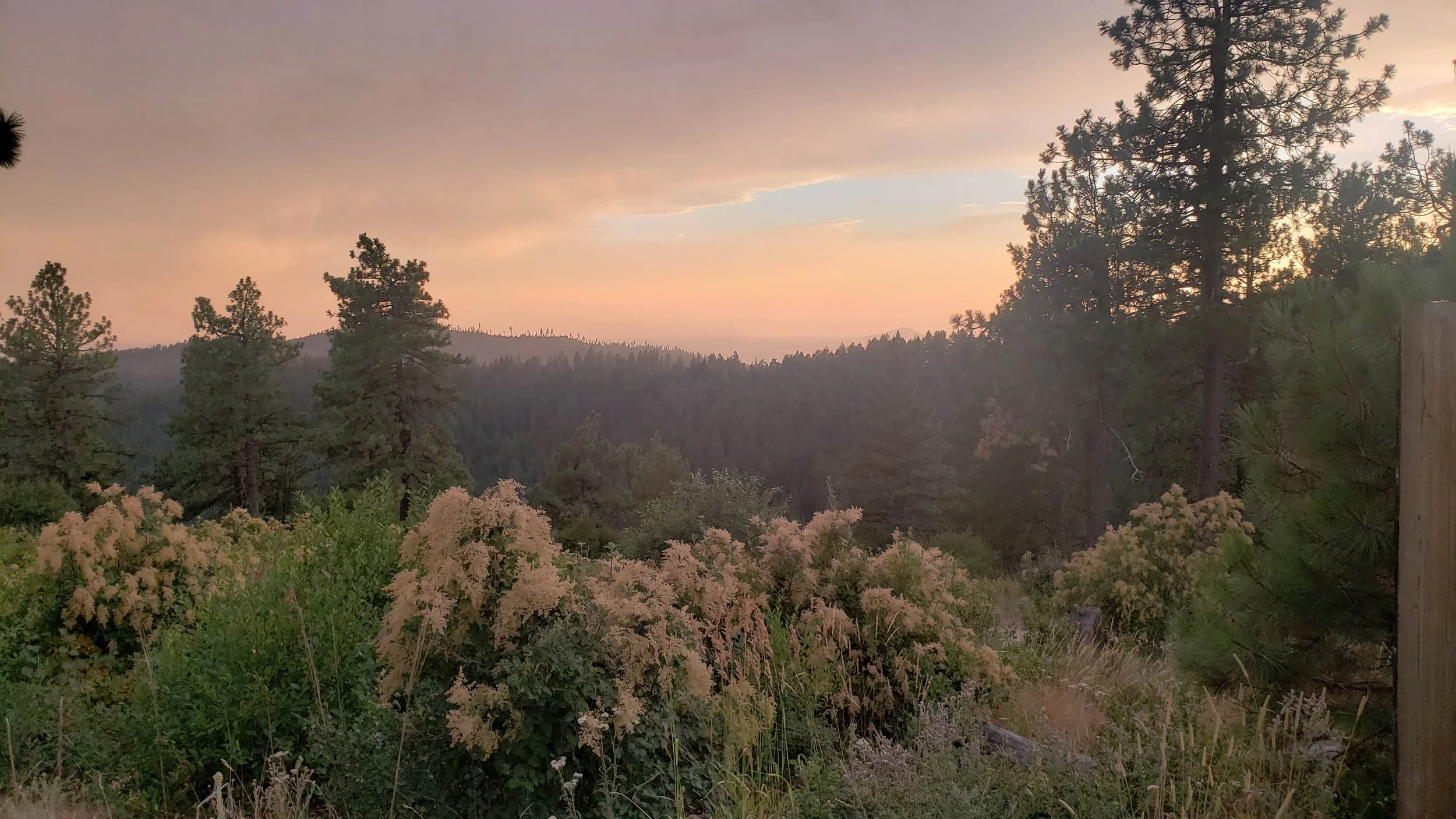
Mary Minerva McCroskey State Park
-
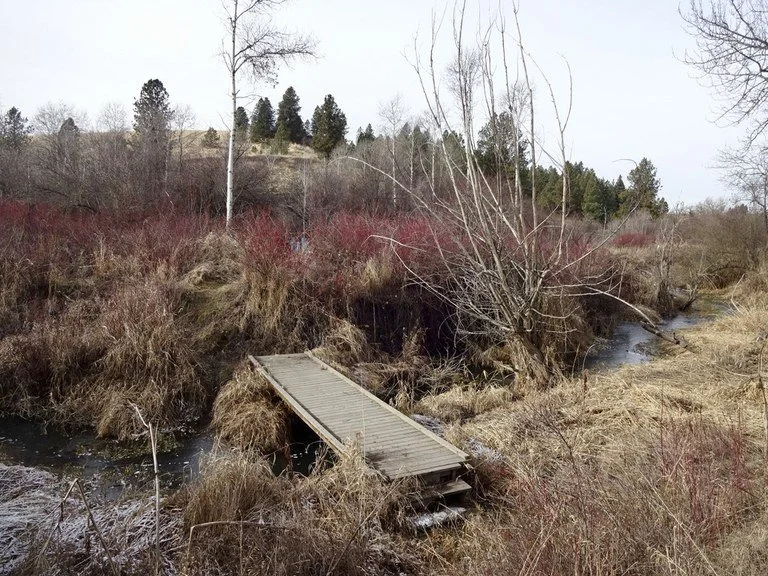
Rose Creek Preserve
-
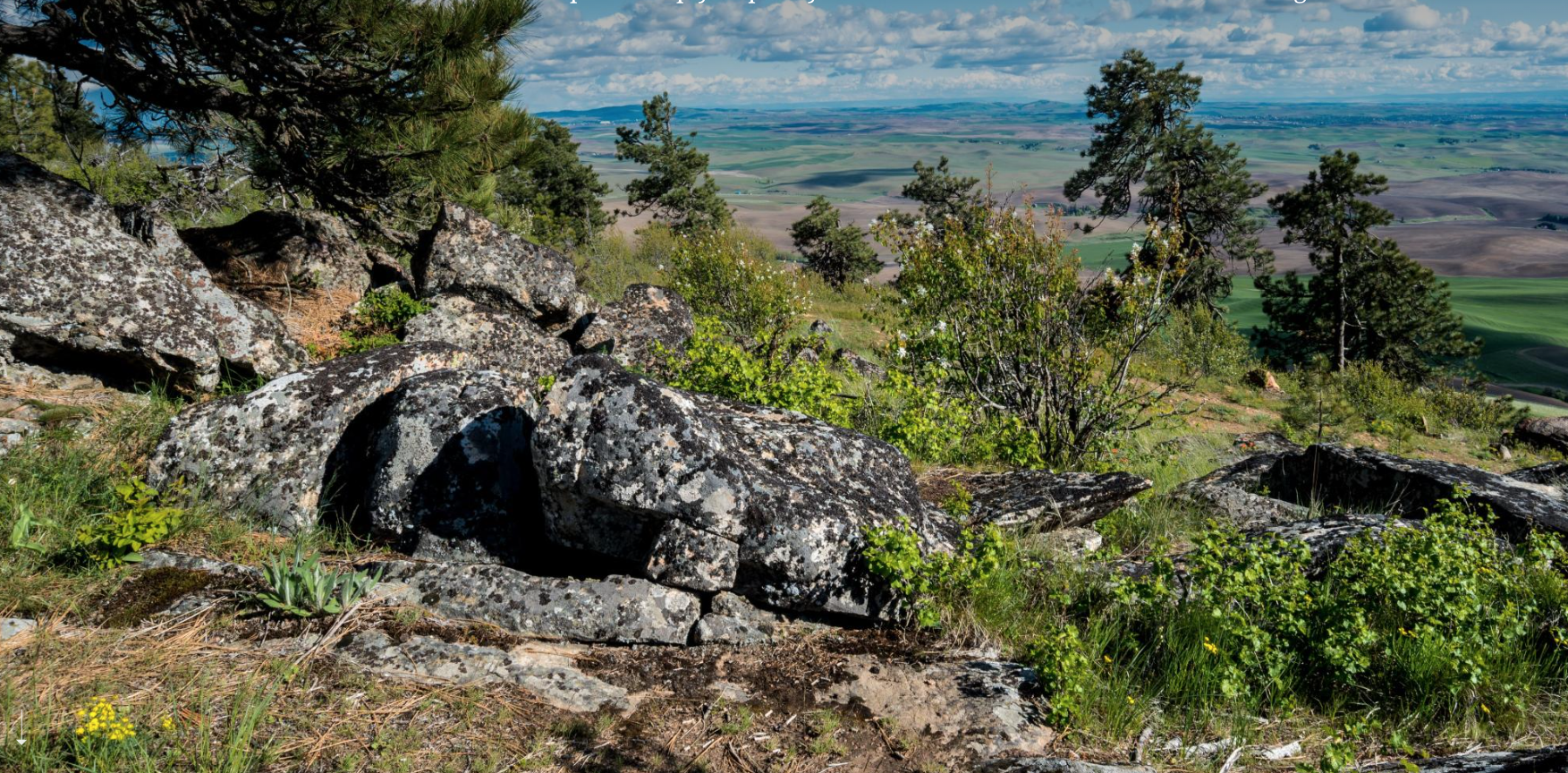
Whitman County Public Trails
Native Plants of the Palouse Prairie
-
Database of Palouse Prairie plants from the Palouse Prairie Foundation
Produced by the Palouse Prairie Foundation. A searchable database of Palouse Prairie native plant species. An exhaustive resource that includes sun requirements, propagation techniques, planting requirements, germination temperatures, known insect issues, general comments, references.
-
Plants for Pollinators in the Inland Northwest
Plants for Pollinators in the Inland Northwest, Pamela Pavek, 2013 NRCS Technical Bulletin 24. 62 page pdf with detailed information, photographs and tables to assist in plant selection for different habitats/rainfall. Available online or download below.
-
Native Pollinator Plants for the Palouse
6 page tabular summary of native pollinator plants. This table is an excerpt of Plants for Pollinators in the Inland Northwest.
-
Seed characteristics of some native species
2 page pdf table of seed characteristics of native Palouse plants.
-
Native Plants Guide
A website curated by the University of Idaho.
-
Tabular Summary Database of Palouse Forbs for Landscaping
A series of tables that include useful information about Palouse plants, produced by the Palouse Prairie Foundation.
-
Idaho Native Plant Society
An organization dedicated to promotion of native plants
-
Washington Native Plant Society
An organization dedicated to the appreciation and conservation of native plants
-
Forb Seedling Identification Guide for the Inland Northwest
150 page pdf Resource from the Natural Resource Conservation Service Washington.
Landscaping with Natives
-
Characteristics and Uses of Native Palouse Forbs in Landscaping
Characteristics and Uses of Native Palouse Forbs in Landscaping. David M. Skinner, Paul Warnick, Bill French, and Mary Fauci; November 2005
-
More Palouse Forbs for Landscaping
More Palouse Forbs for Landscaping. David M. Skinner, Paul Warnick, Bill French, and Mary Fauci; November 2005.
-
Native Plants of Eastern Washington
3 page pdf with information on landscaping with natives and a tabular summary of native plant characteristics.
-
Landscaping with Native Plants in the Inland Northwest
Tonie Fitzgerald. Landscaping with Native Plants in the Inland Northwest, WSU Extension 39 page pdf that provides detailed information about planning, selecting plants, preparing the area to be planted, planting and maintenance of the landscape.
-
Native Plants for Roadside Restoration and Revegetation Programs
Robson, Sara; James Kingery. 2006. Native Plants for Roadside Restoration and Revegetation Programs, University of Idaho, 100 page pdf with detailed native plant profiles including photos, bloomtime, ecology, planting, precipitation, soil, seed collection and treatment.
-
Backyard Restoration on the Palouse, A Guide to Restoring Native Palouse Prairie in your Yard
Backyard Restoration on the Palouse, A Guide to Restoring Native Palouse Prairie in your Yard, Palouse Conservation District, 11 page pdf , available online at
-
Native Plants of Northern Idaho for Landscaping and Restoration
Native Plants of Northern Idaho for Landscaping and Restoration (INPS website on Northern Idaho guide page)
-
Idaho Native Plant Society
-
Washington Native Plant Society
Prairie Restoration & Reconstruction
-
Palouse Prairie Restoration
Palouse Prairie Restoration. 13 page pdf about restoring or recreating Palouse Prairie. Available online at the USDA NRCS
-
Identification of Conservation Priorities and Threats to Palouse Grassland and Canyon Grassland Remnants in Idaho, Washington, and Oregon
Weddell, Bertie J. and Juanita Lichthardt. 1998. Identification of Conservation Priorities and Threats to Palouse Grassland and Canyon Grassland Remnants in Idaho, Washington, and Oregon. Tech. Bull. 98-13. Idaho Bureau of Land Management.
-
Restoring Palouse and Canyon Grasslands: Putting Back the Missing Pieces.
Weddell, Bertie J. 2001. Restoring Palouse and Canyon Grasslands: Putting Back the Missing Pieces. Tech. Bulletin 01-15. U.S. Bureau of Land Management. (39 page pdf titled Weddell BLM review of Palouse Grassland restoration Technical Bulletin)
-
Palouse Conservation District Palouse Prairie
-
Palouse Prairie Remnant Restoration
U.S. Fish & Wildlife Service
-
Palouse Land Trust
-
Latah Soil and Water Conservation District
Seed Storage & Propagation
-
Native Plant Network
Search using Genus and species.
-
Seed Characteristics of some Palouse Native Species
Seed Characteristics of some Palouse Native Species created by the Palouse Prairie Foundation
-
Columbia Basin Washington Native Plant Society Germination Guide
Columbia Basin Washington Native Plant Society Germination Guide by Jane Abel. 4 page pdf resource on sowing native seeds at home.
-
Native Seed Production for the Pacific Northwest
Native Seed Production for the Pacific Northwest, 144 page pdf.
Weed Management
-
Invasive weeds of Eastern Washington
Stephen Van Vleet. Invasive weeds of Eastern Washington from WSU Extension
-
Noxious Weeds that harm Washington State
Noxious Weeds that Harm Washington State, Eastern Washington Field Guide. 72 page pdf
-
Weed Control Methods Handbook: Tools & Techniques for Use in Natural Areas
Weed Control Methods Handbook: Tools & Techniques for Use in Natural Areas, The Nature Conservancy, 219 page pdf available online at
-
Weed Management Handbook
Searchable resource created by extension units from Oregon State University, Washington State University and University of Idaho.
-
Idaho's Noxious Weeds
-
Whitman County Extension Weed Index
Collection of weed control information on the weeds most problematic in Whitman County
-
Biological Control of Noxious Weeds in Oregon
-
North American Invasive Species Management Association Biocontrol
-
Nez Perce Biocontrol Center
Nez Perce Biocontrol Center provides a full service biological weed control program to landowners and managers throughout the Pacific Northwest
-
Collecting and Releasing Biological Control agents in Washington State
Collecting and Releasing Biological Control Agents in Washington State, WSU Extension
-
Integrated Weed Control Project
Biological control agents are available through the Integrated Weed Control Project at Washington State University and are offered free of charge to landowners. Jennifer Andreas, project director at WSU advises that owners work with their local county weed control board requesting the biological agent of interest in February to ensure that the agent can be collected from field sites and made available at the appropriate release time.
Prairie Education
-
YEER Program
Youth Ecology Education through Restoration
-
University of Idaho Sustainability Initiative
-
Washington Native Plant Society Just For Kids
A site for kids and families to learn more about Native Plants together. These activities are for Kids -K-6, or for the kid in all of us. It's time to get outside and discover the wonders of Washington's native plants.
Donate to the Palouse Prairie Foundation today!