
Our Projects
-
Crock Pollinator Garden
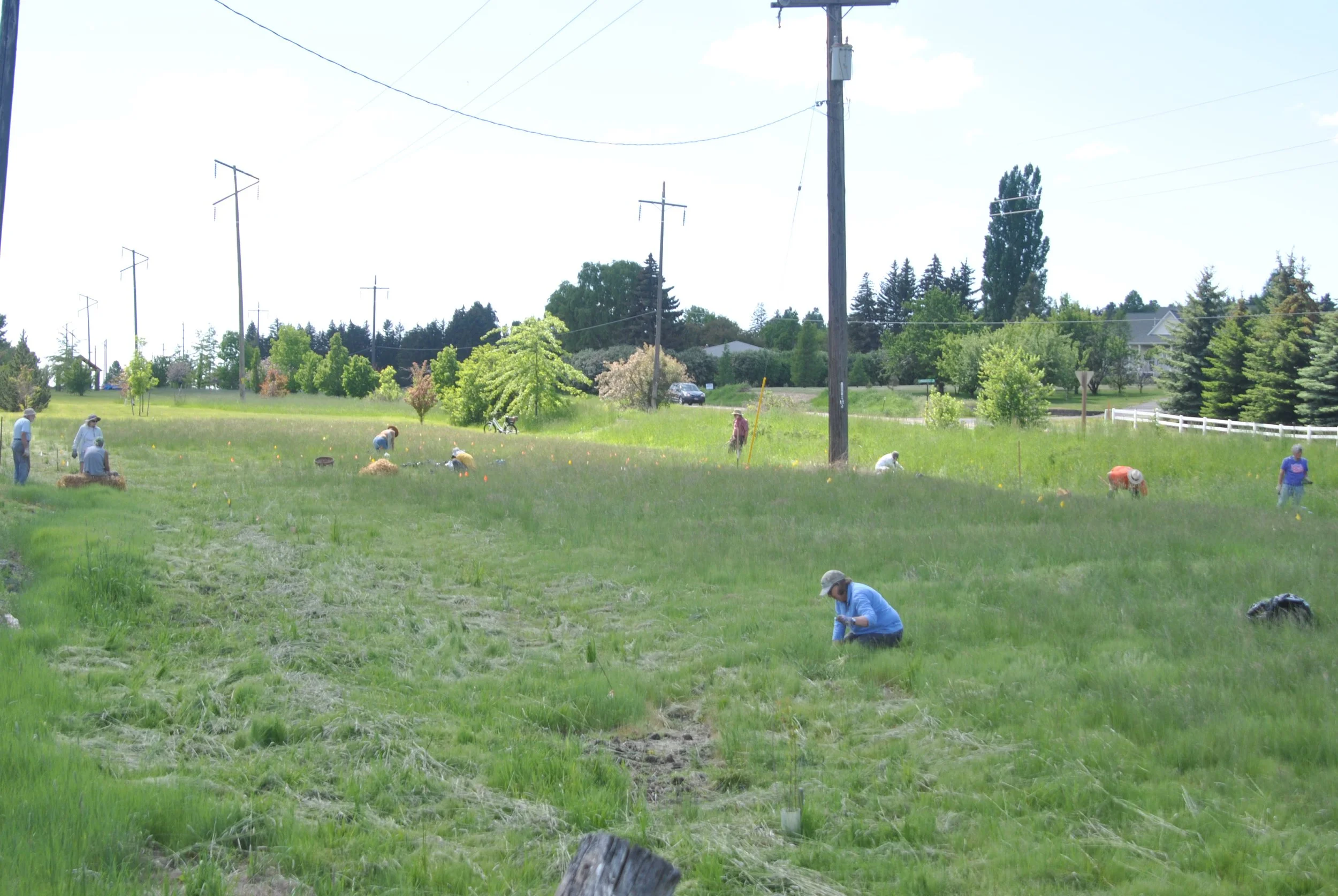
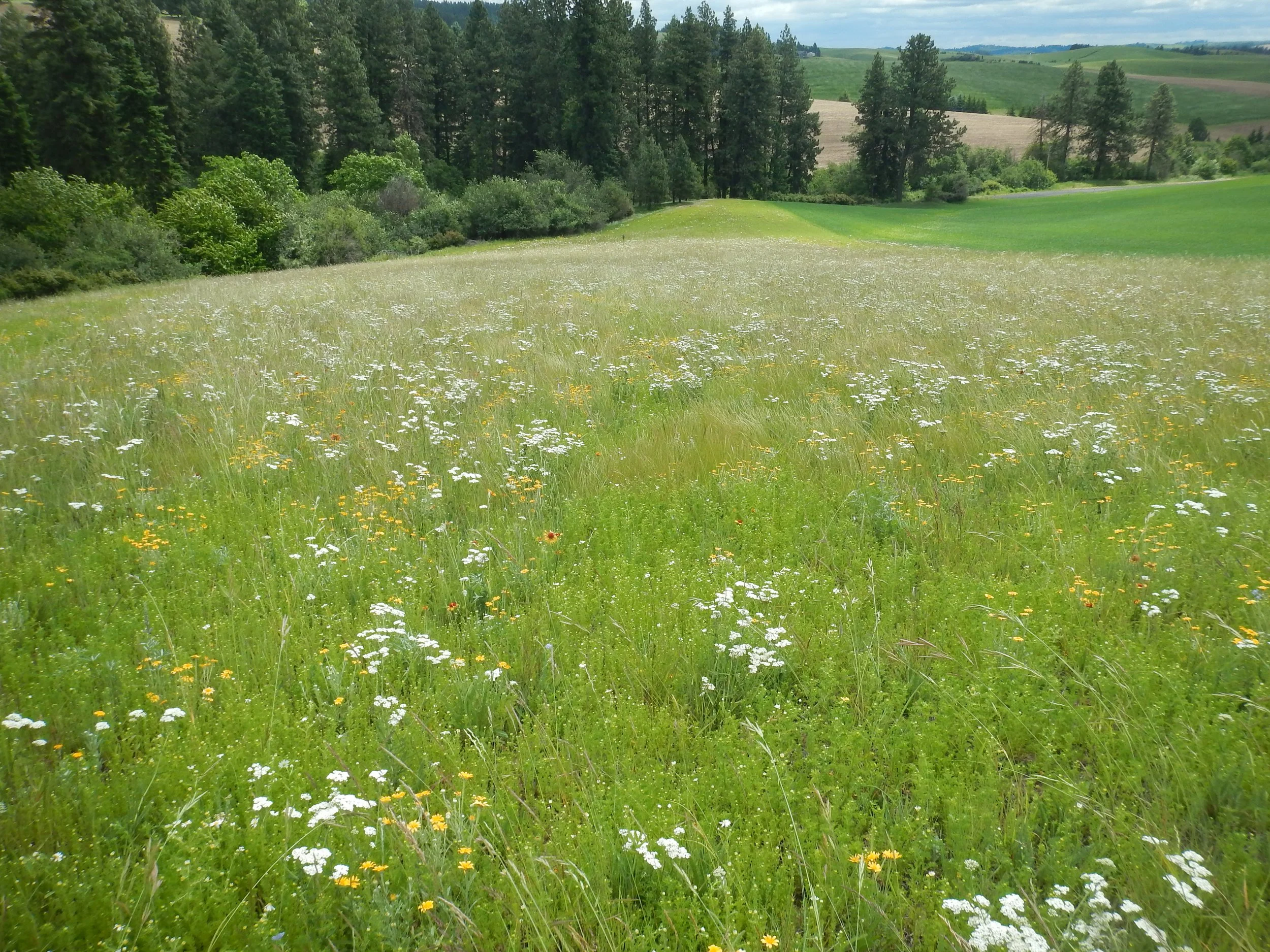
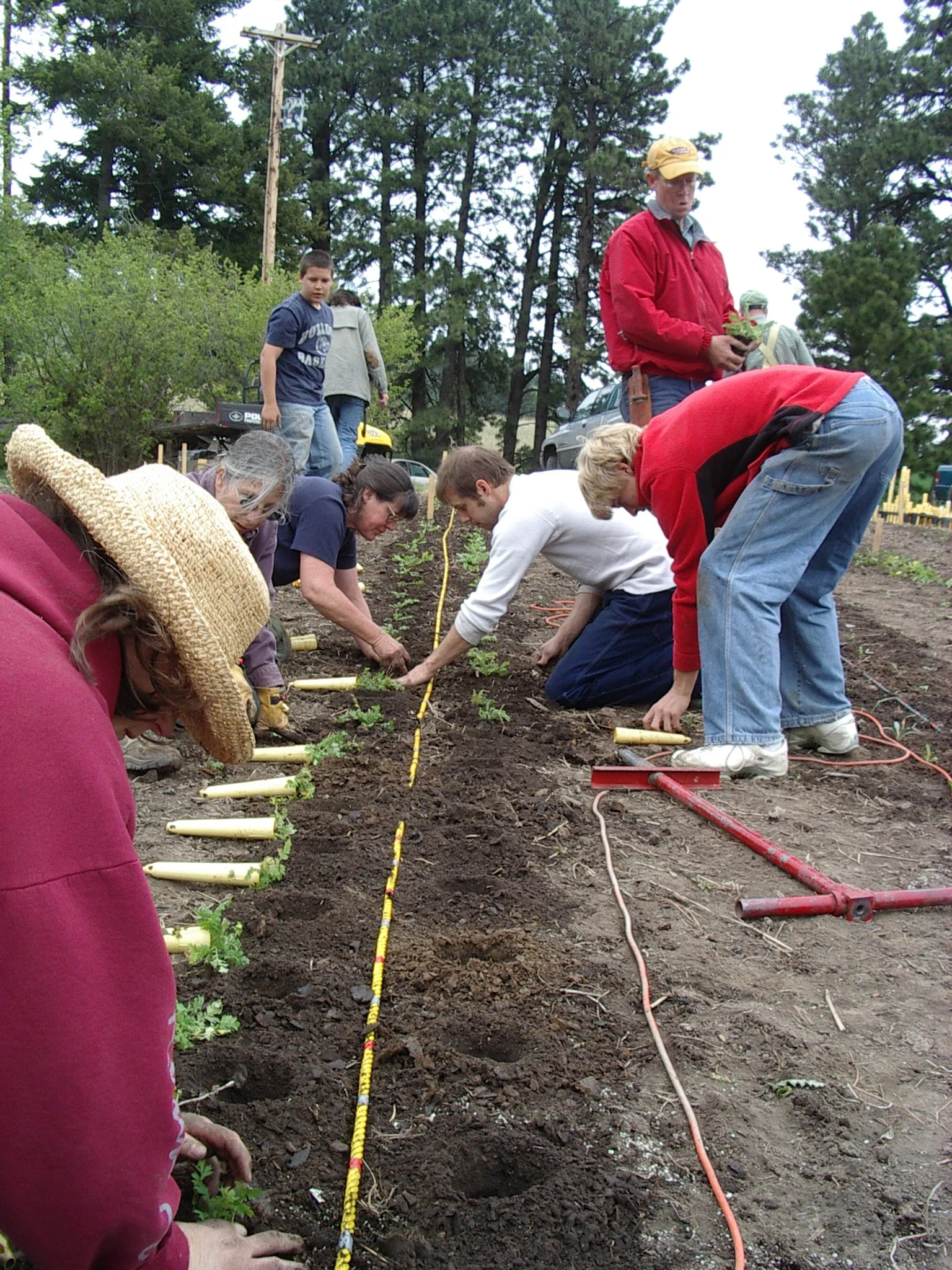
John Crock was a lifelong lover of nature and science who was interested in the conservation of Palouse Prairie, joining the PPF board in 2014. When he died, he left a bequest to the Foundation that has been used to create the John Crock Pollinator Garden along the Latah trail in Moscow. The space has been planted with native bunch grasses and many wildflowers, and continues to be the focus of planting and weeding work parties with our many volunteers.
-
Whelan Cemetery
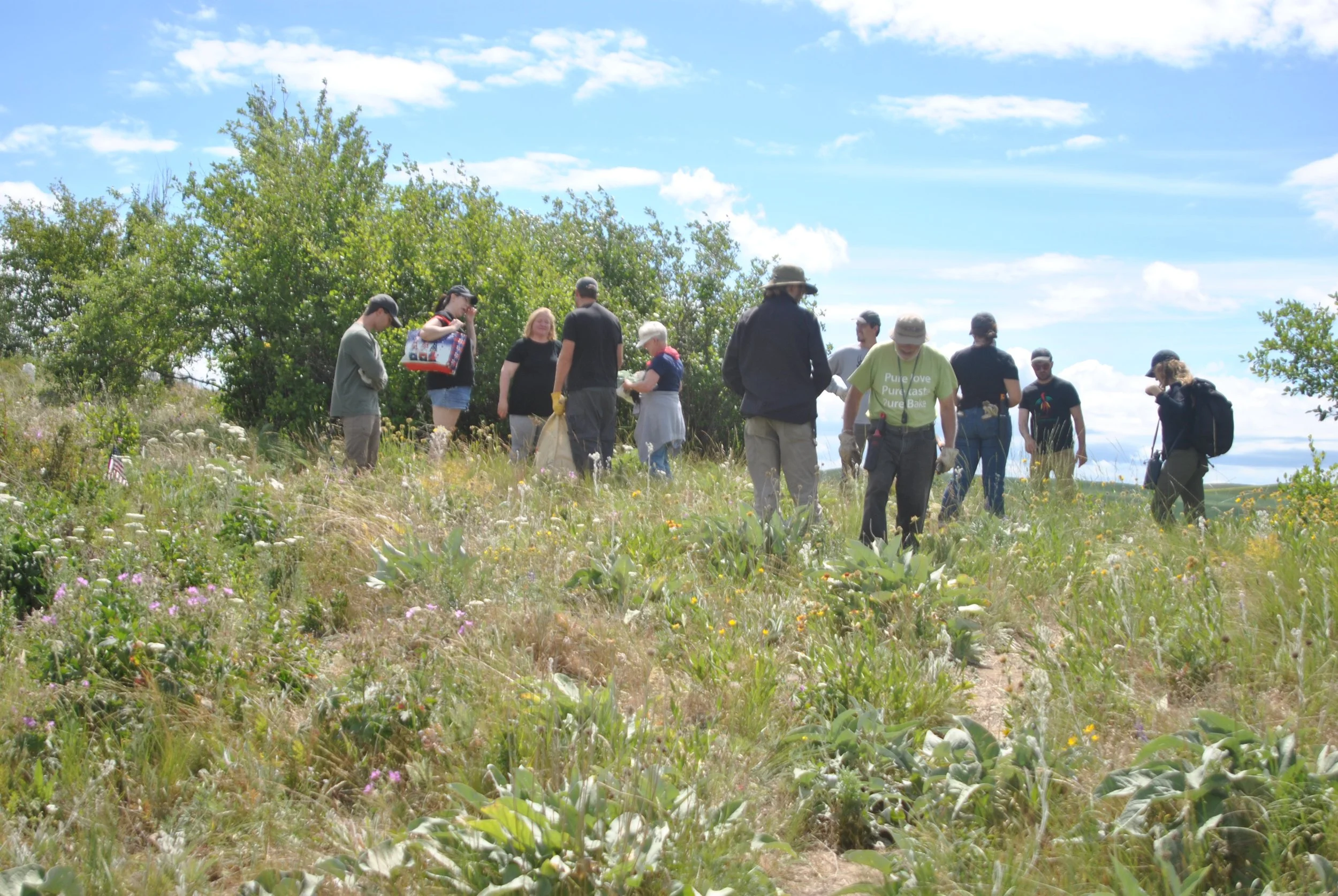
Established in 1888, Whelan Cemetery has attracted the interest of professional botanists who have identified over 150 species within its boundaries. Given Whelan’s high quality mesic native Palouse Prairie, in 2012 PPF sought to protect this beautiful remnant by pursuing a Certificate of Maintenance through Washington State’s Abandoned Cemeteries Program. The organization stewards the cemetery through regular work parties to remove weeds and uncover headstones engulfed in vegetation. We have recently rerouted the paths through the cemetery to reduce erosion and prevent trampling of sensitive sections.
-
Native Plant Sale
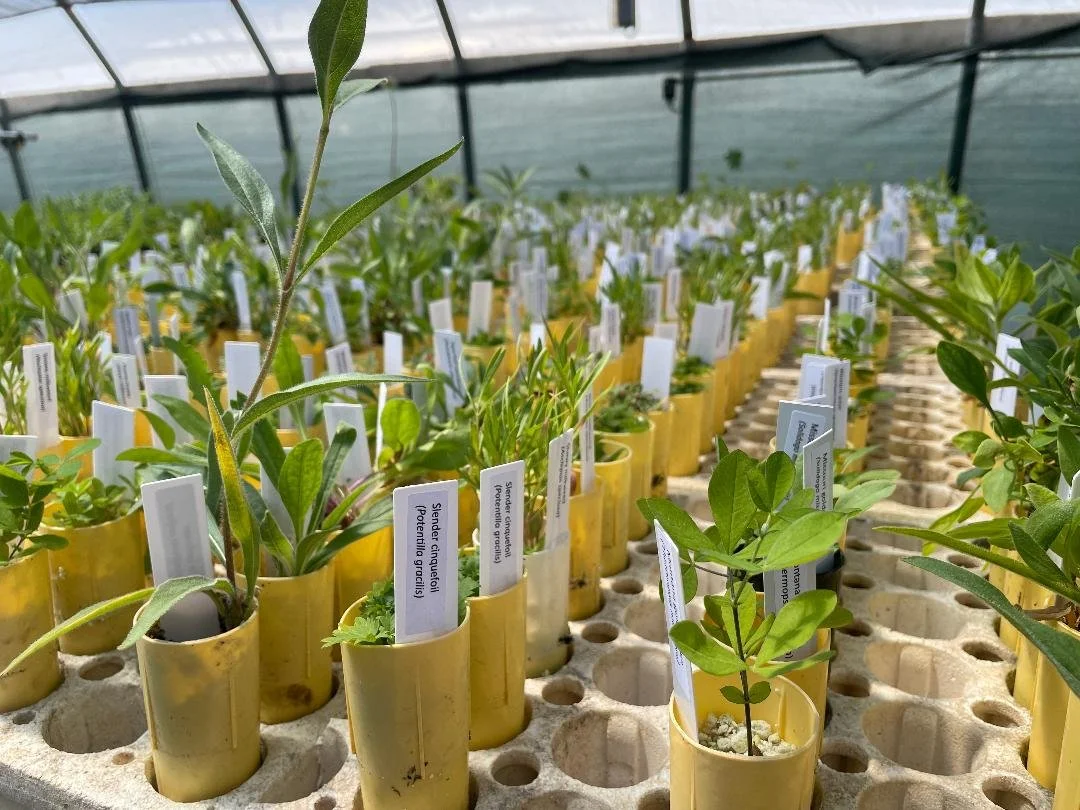
Each year Palouse Prairie Foundation sells native plant kits containing selected Palouse Prairie wildflowers that attract pollinators and bloom from April through September. In addition to providing nectar and pollen to insects from spring into fall, we hope to convince homeowners that native plants are not only attractive and easy to grow but also conserve water and promote biodiversity. Contact us for info on our next sale :)
-
Palouse Prairie Keepers Roundtable
The Palouse Prairie Keepers Roundtable is an ad hoc group that focuses on issues important to landowners planning to reconstruct or maintain a Prairie remnant. Topics have included integrated weed management, project mapping, and tours of others’ projects. If you have any questions or would like to be added to the Prairie Keepers Round-Table email list, click below.
-
Mini-Grants
The Palouse Prairie once extended over hundreds of thousands of acres. The region’s deep fertile soils supported such highly productive agriculture that it was converted to cropland beginning in the 1800s, and less than one percent of the original prairie remains in native plants today. PPF is committed to helping individuals and organizations to conserve and restore these prairie remnants to increase habitat connectivity and long-term sustainability of the ecosystem. PPF has a mini-grant program available to the public for the conservation and restoration of Palouse Prairie. The maximum grant is $1,000.